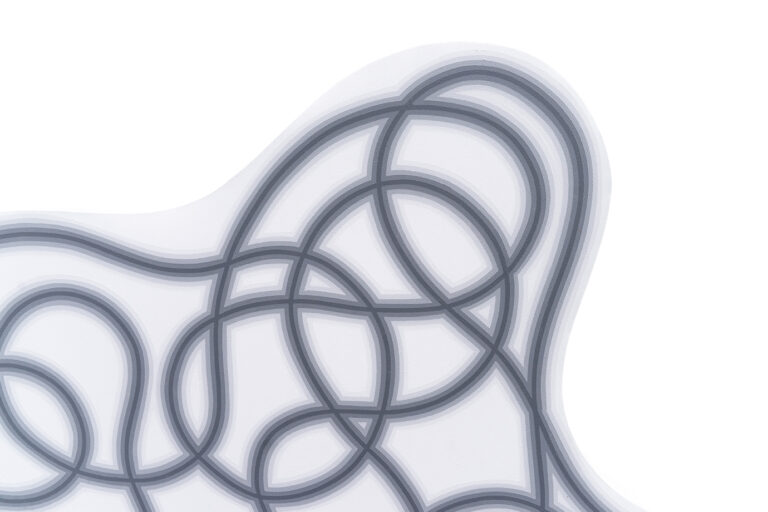
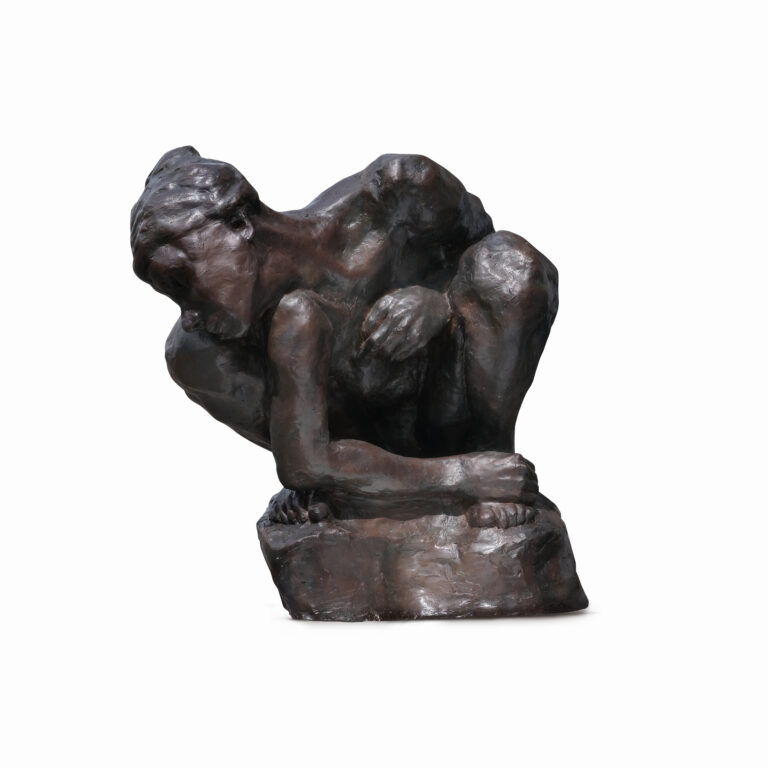
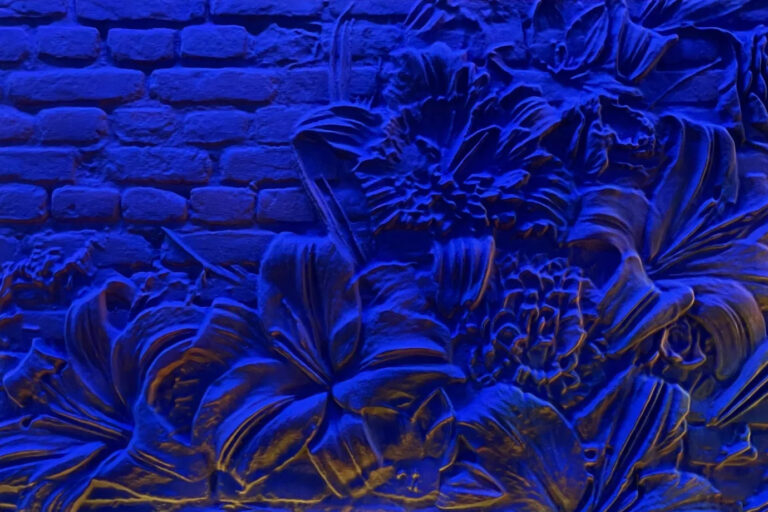
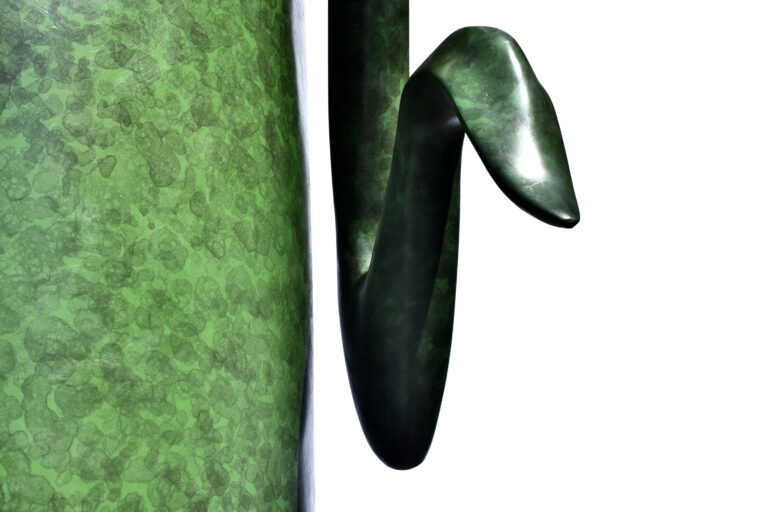
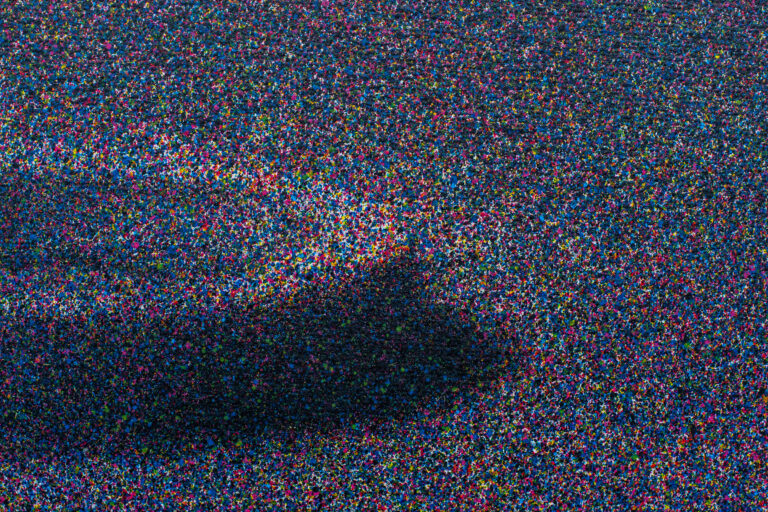
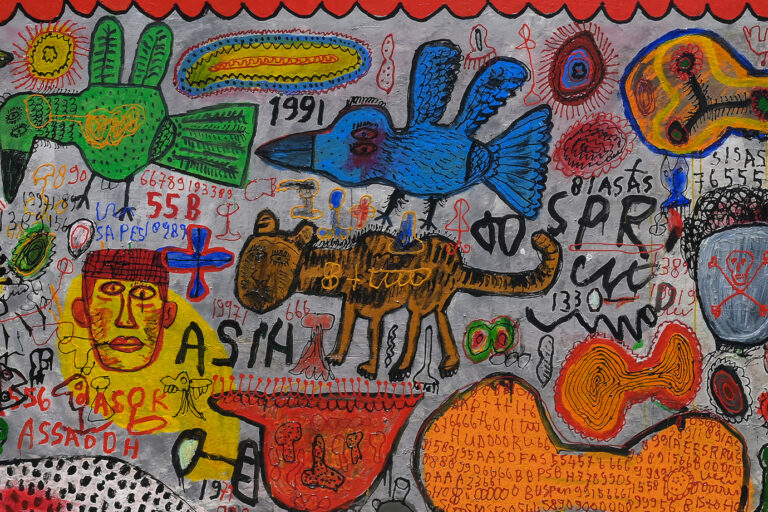
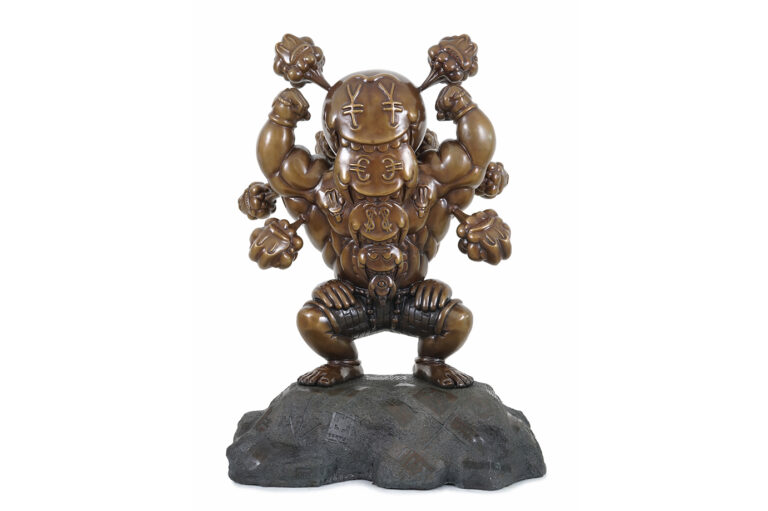
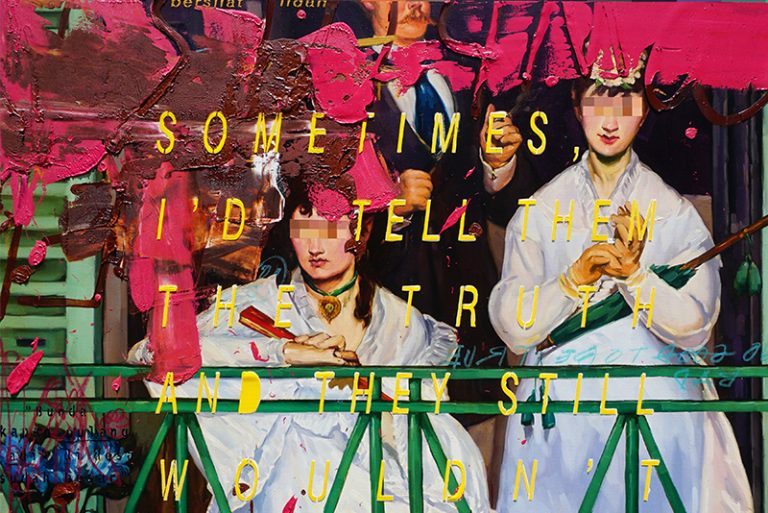
Gajah Gallery returns to Art Jakarta 2026 this October with an intergenerational presentation, bringing together artists from across Southeast Asia, with a focus on practices from Indonesia alongside artists from Malaysia and Singapore. The presentation considers how artists across generations and contexts engage with and transform the possibilities of their chosen mediums. The works refl ect a range of individual approaches to making: some draw from established visual languages and material traditions, while others disrupt or extend them, opening new directions within their practices.
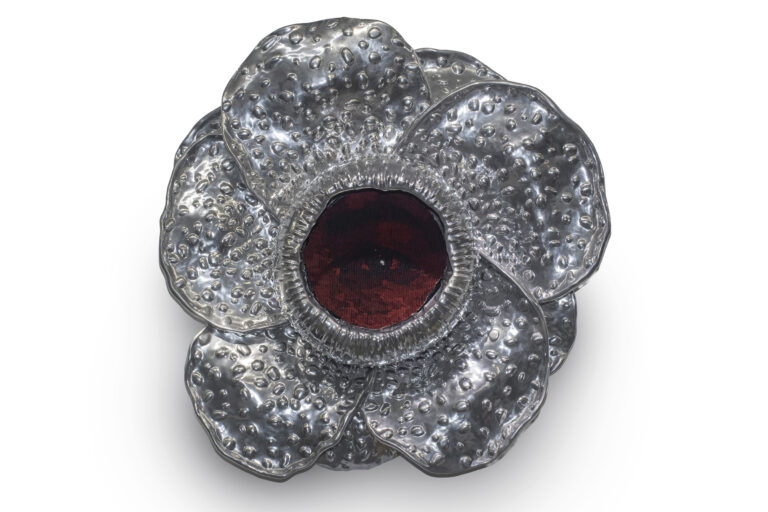
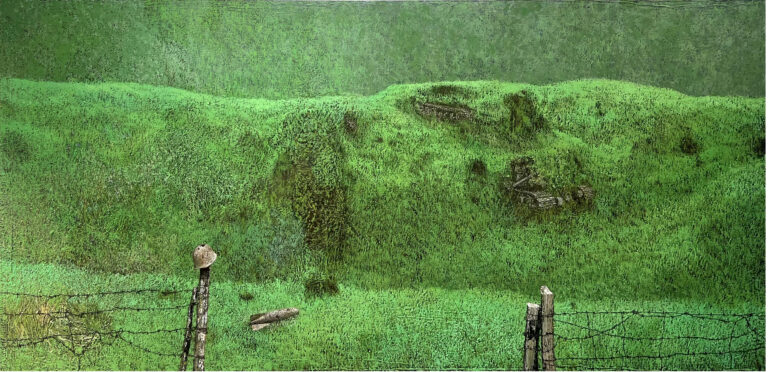
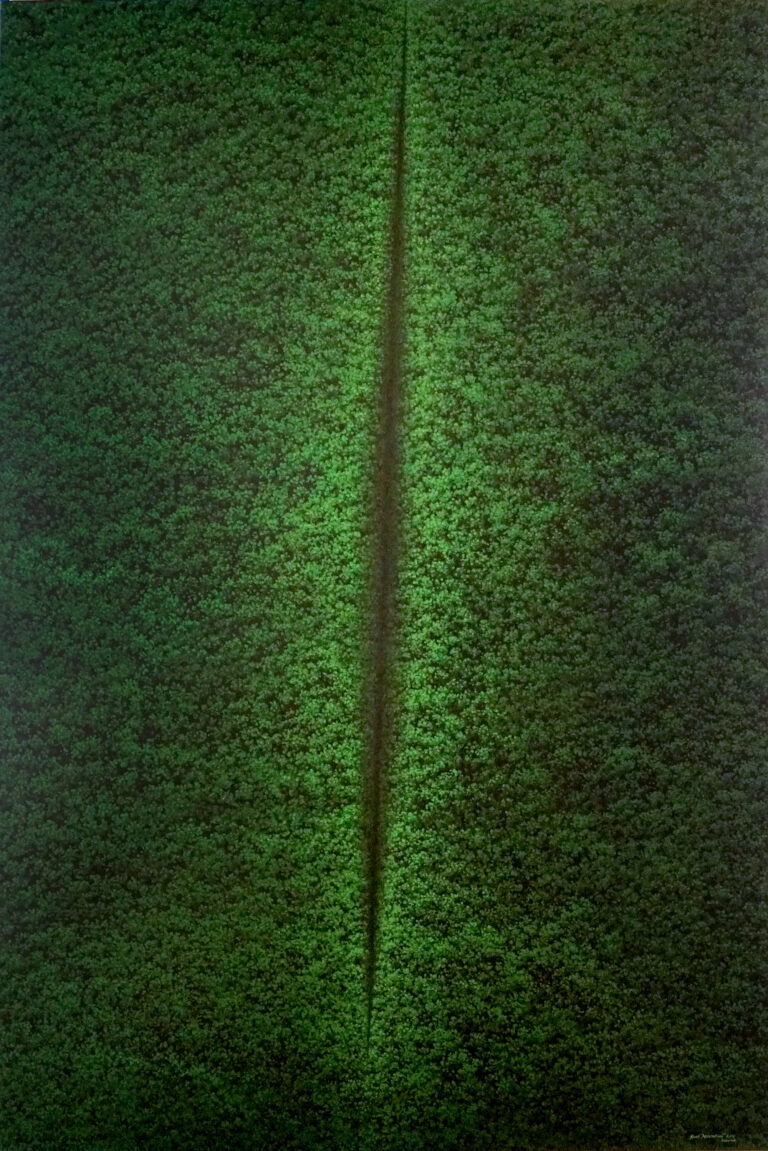
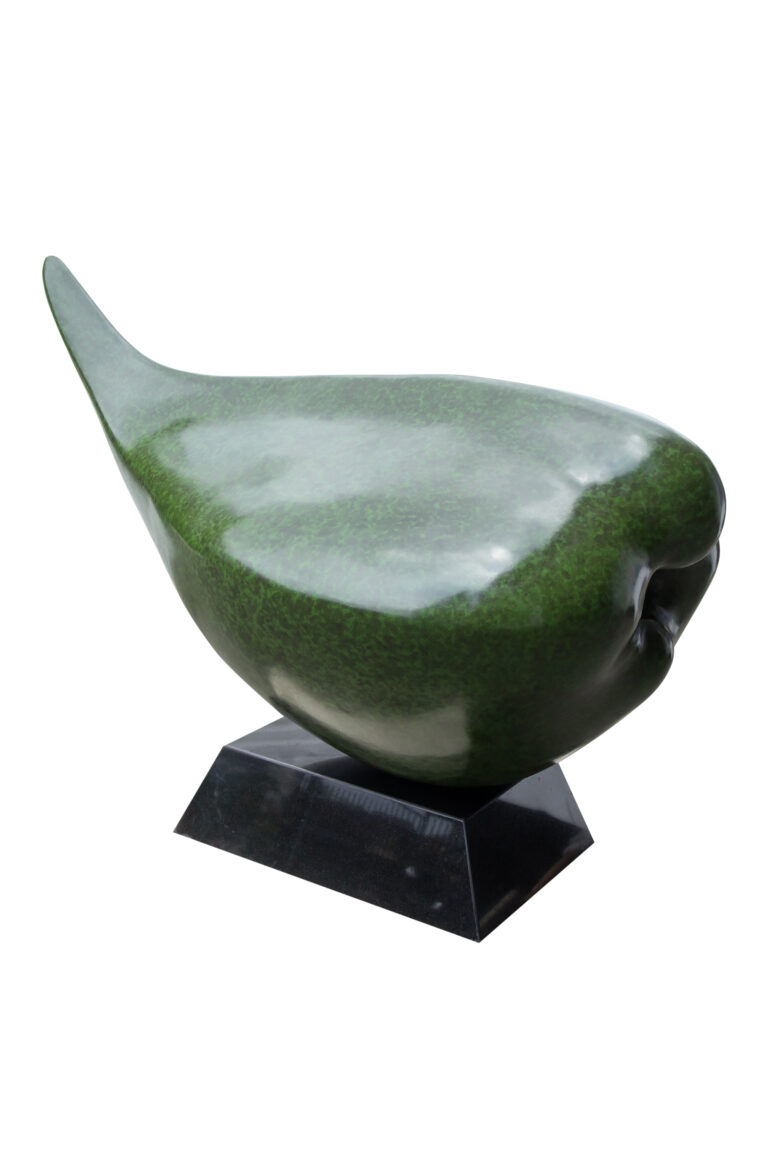
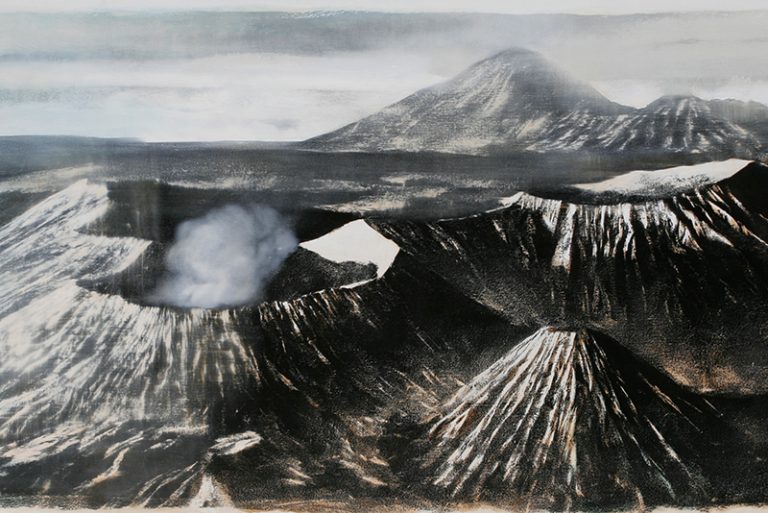
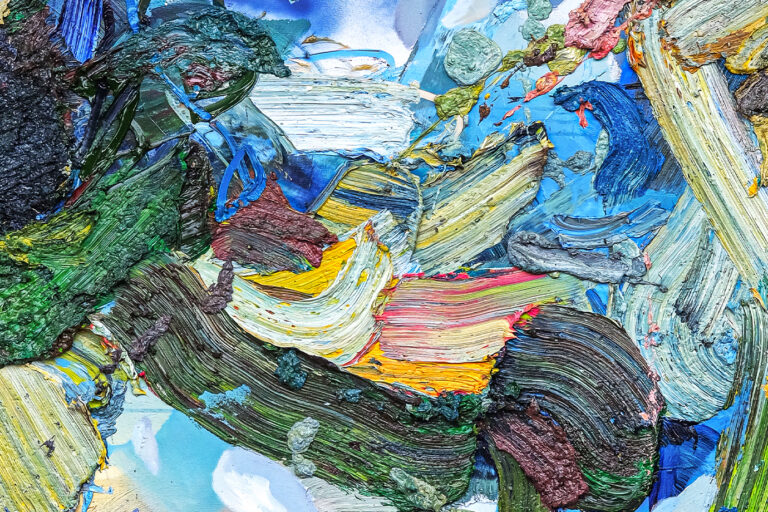
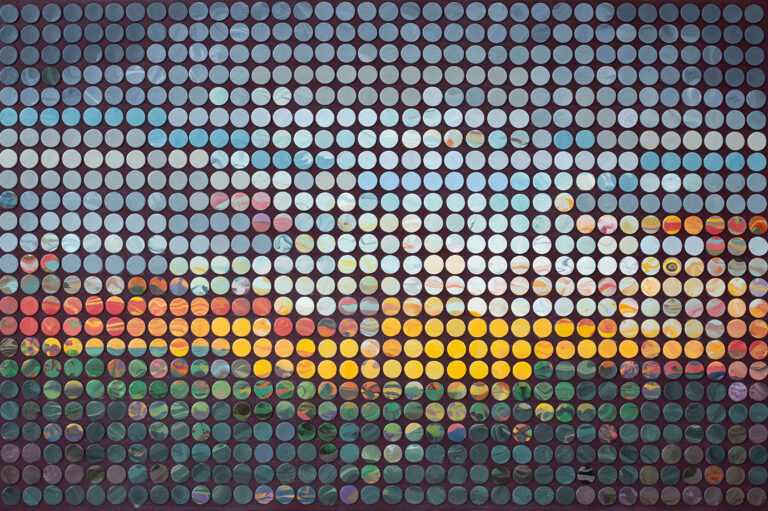
The natural world emerges as a recurring point of departure across the presentation. Mangu Putra’s hyperrealist painting Stage frames nature as an enduring backdrop to the fleeting drama of human life. This tension between impermanence and ecological change also informs the work of Singaporean sculptor Han Sai Por, whose sculptural practice draws on organic forms. Dini Nur Aghnia embeds found objects within handmade resin beads to create tactile, landscape-like compositions, bringing fragments of the surrounding environment into focus, while Fika Ria Santika combines industrial materials with natural elements in sculptural works that reflect the accumulation of memories and experiences shaped by her environment. Drawing on the Minangkabau philosophy of Alam Takambang Jadi Guru (“Nature is an eternal teacher”), Erizal As distils the colours and rhythms of nature into richly textured abstraction, moving from landscape as image towards nature as a source of sensation and intuition.
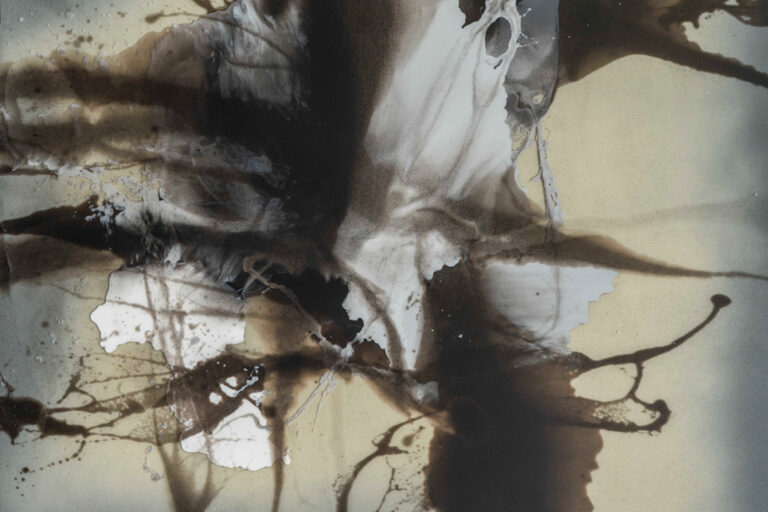
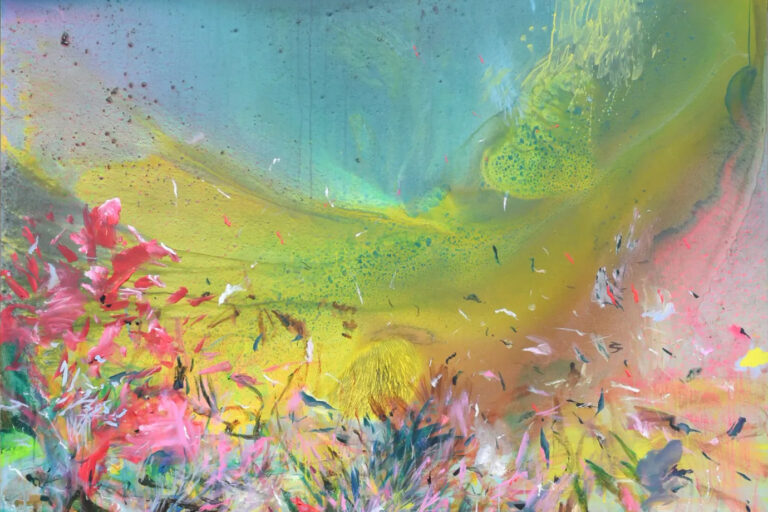
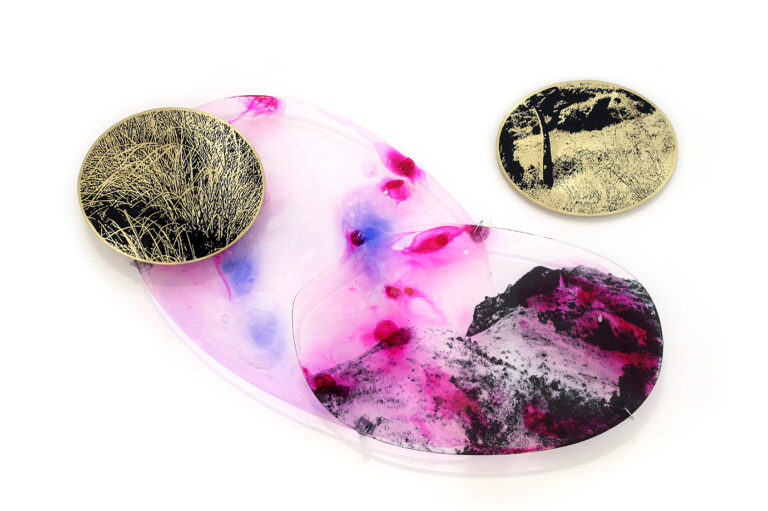
From these engagements with nature and material, the presentation moves towards abstraction with works by Ibrahim, whose expressive compositions reflect an intuitive approach to painting. In comparison, Tantin Udiantara takes a more restrained approach, with repetition and balance lending his paintings a quiet sense of rhythm. At first glance, Arin Dwihartanto Sunaryo’s works read as abstract compositions, created through a materially driven process using resin and experimental pigments to form suspended fields of colour. Using materials ranging from volcanic ash to metallic compounds, Sunaryo considers how matter can accumulate histories and take on new meanings through transformation.
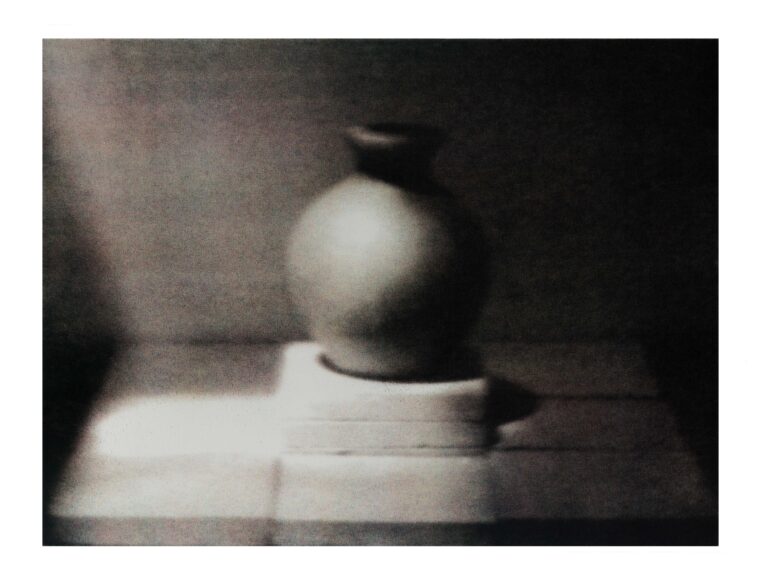
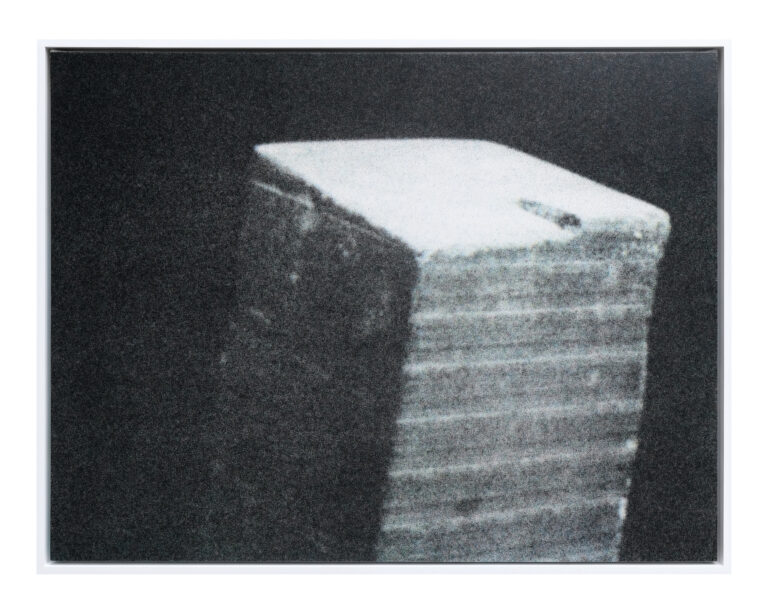
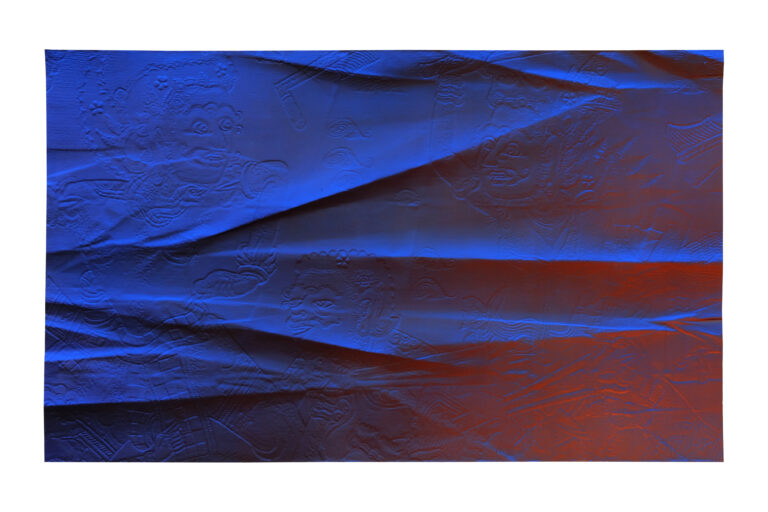
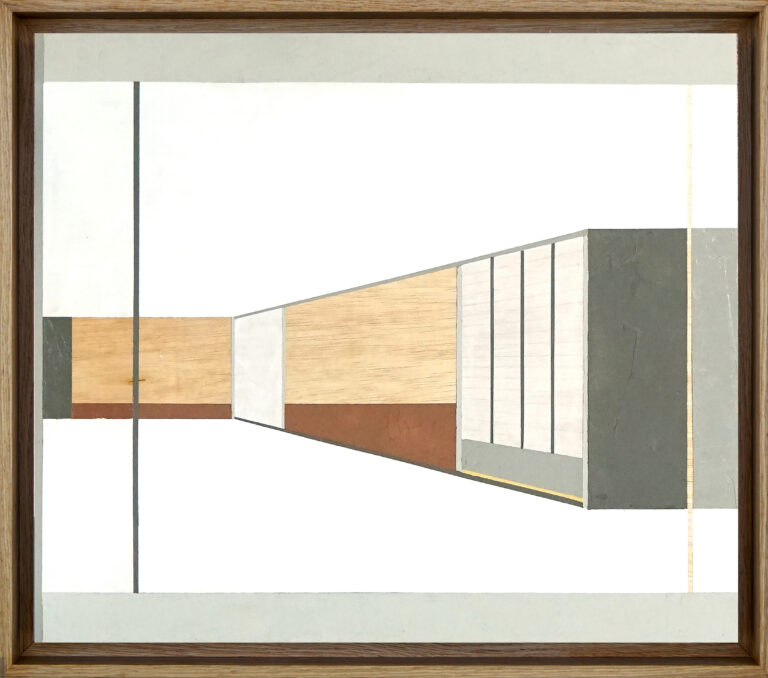
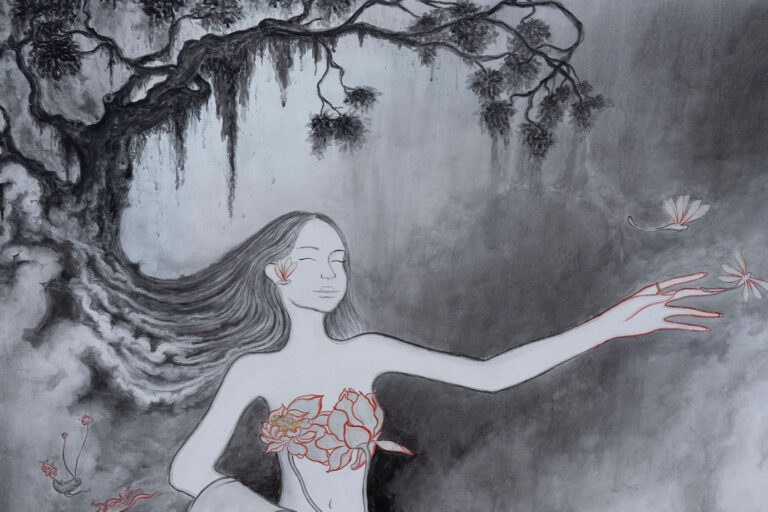
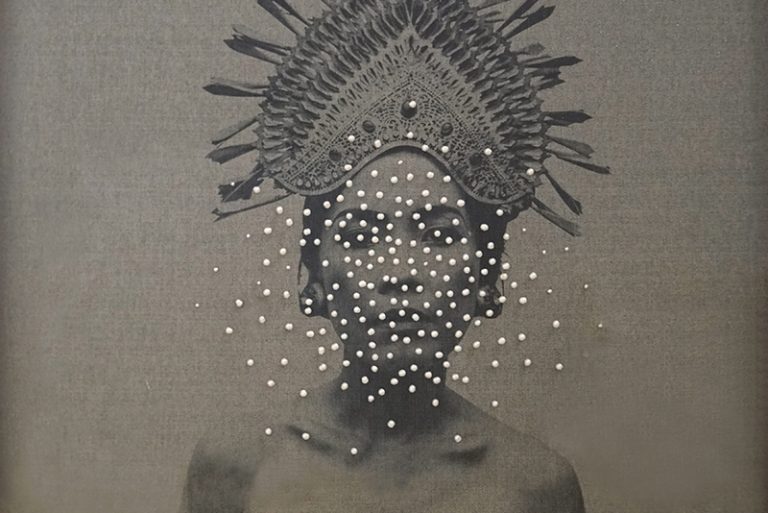
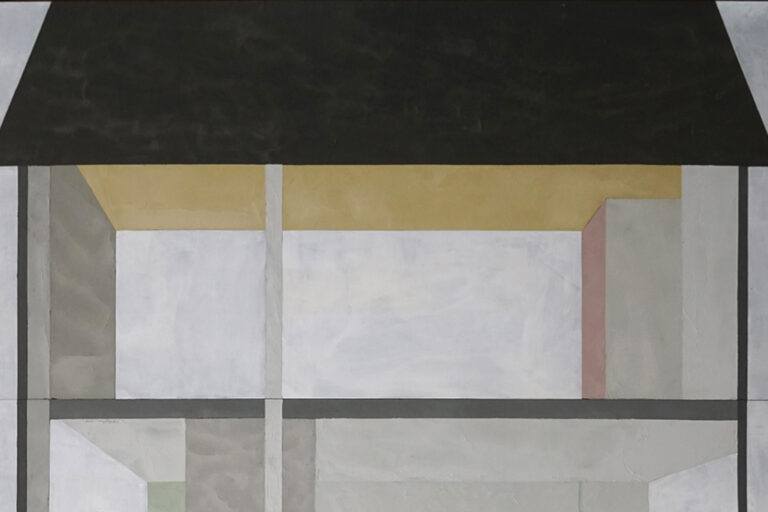
Questions of memory and inherited images come to the fore in the works of Octora, Jemana Murti, and Ridho Rizki. Octora draws on archival and historical photographs to consider how images shape collective memory and the ways histories are remembered. Jemana Murti similarly looks to cultural memory, reworking traditional motifs through digital processes to consider their place in the present. Ridho Rizki turns instead to the act of looking, drawing on an affinity with Impressionism’s interest in light and perception while maintaining a distinctly contemporary approach. These concerns with representation extend from the image to the body in the practices of Satya Cipta and Dzikra Afifah, while Kayleigh Goh turns towards the built environment, incorporating materials such as wood and cement into contemplative works that reflect on the emotional textures of contemporary life.
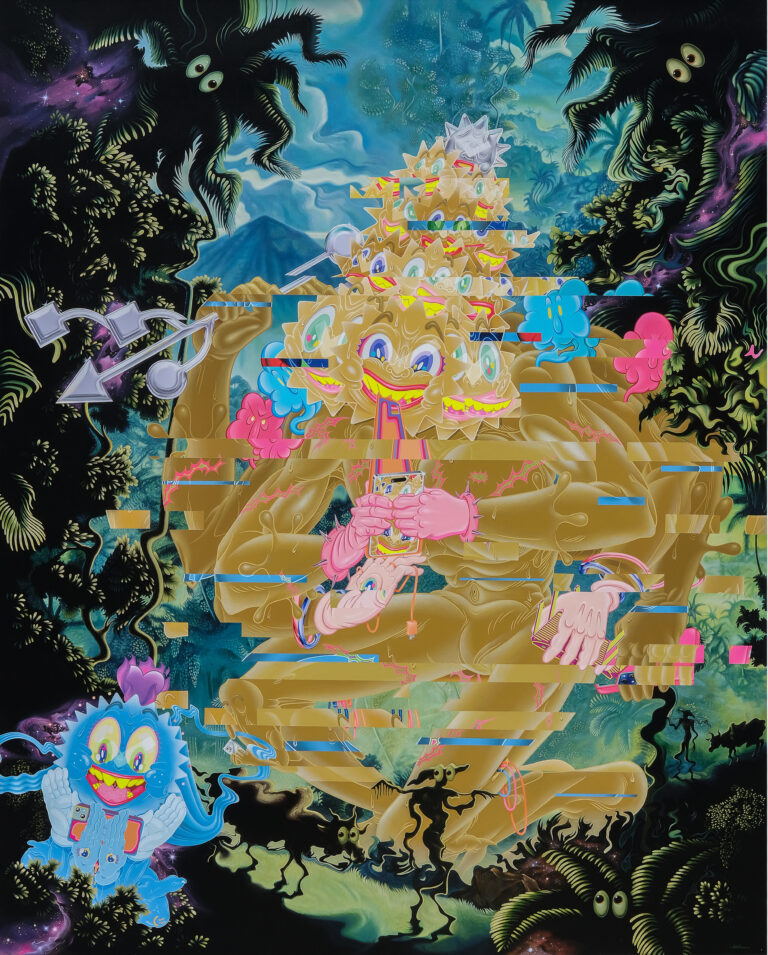
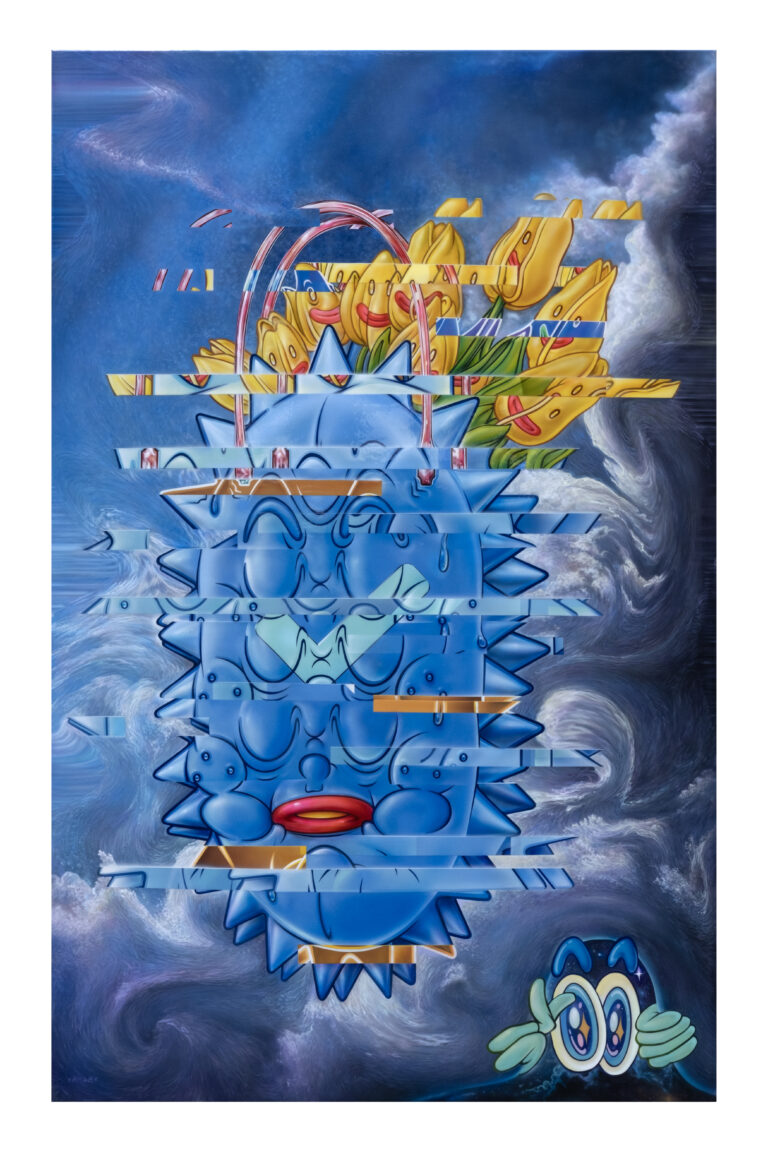
The presentation concludes with artists who find new possibilities in familiar images and forms. Uji “Hahan” Handoko Eko Saputro examines how images are mediated and transformed in today’s digital age, while Rosit Mulyadi draws on existing imagery and popular culture to reflect on social and political realities. Rudi Mantofani introduces subtle disorientation into ordinary scenes, prompting viewers to reconsider their perception of reality. In Yunizar’s works, everyday encounters are rendered with wit and humour, revealing how the familiar can be continually reinterpreted.