
1942년 필리핀 마닐라 출생
b. 1942, Manila, the Philippines
베네딕토 카브레라(벤캡)는 필리핀을 대표하는 예술가 중 한 명이다. 보편적인 인간의 정서와 일상의 서사적 드라마를 탁월한 소묘력으로 담아내는 작업으로 잘 알려진 그는, 1970년대 필리핀의 사회·정치적 현실을 예리하게 포착한 작품들로 주목받았다. 2006년에는 필리핀 시각예술가에게 수여되는 최고 권위의 영예인 국가예술가상(National Artist Award for Visual Arts)을 수상하였습니다.
현재 벤캡은 필리핀 바기오(Baguio)를 기반으로 활동하고 있습니다
Benedicto Cabrera (BenCab) is one of the Philippines’ most celebrated visual artists. Acclaimed for his draftsmanship in expressing universal human sympathies and everyday narrative drama, he rose to prominence in the 1970s and became widely recognised for his incisive portrayals of the Philippines’ sociopolitical realities. In 2006, he was conferred the Order of National Artist for Visual Arts, the highest national recognition bestowed upon Filipino artists.
BenCab lives and works in Baguio City, Philippines.
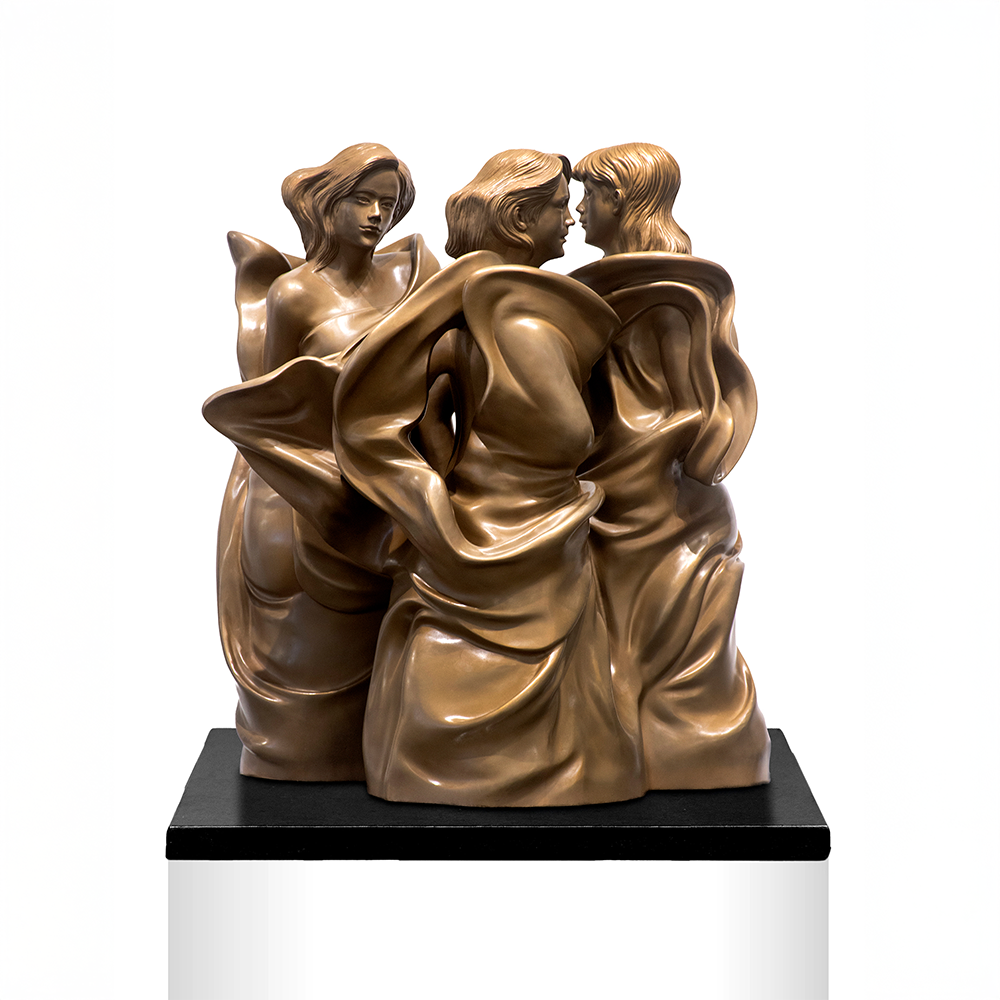
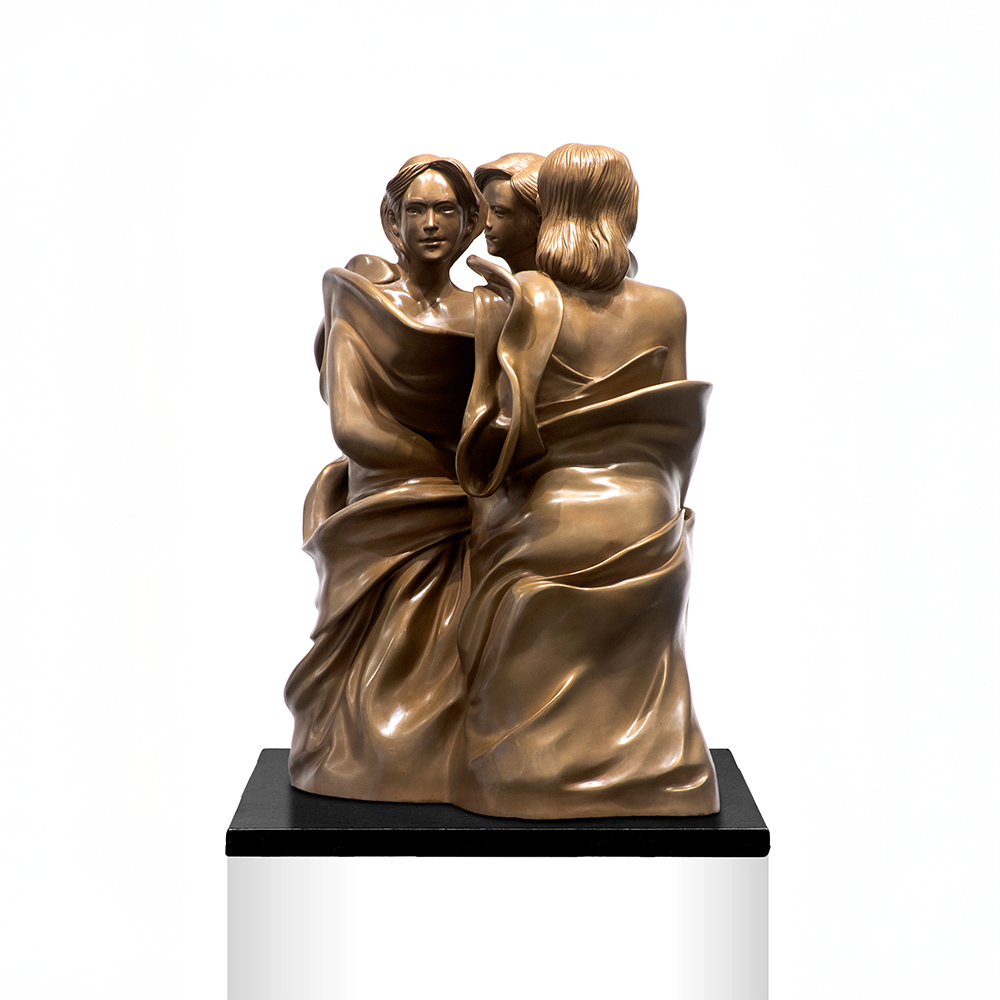
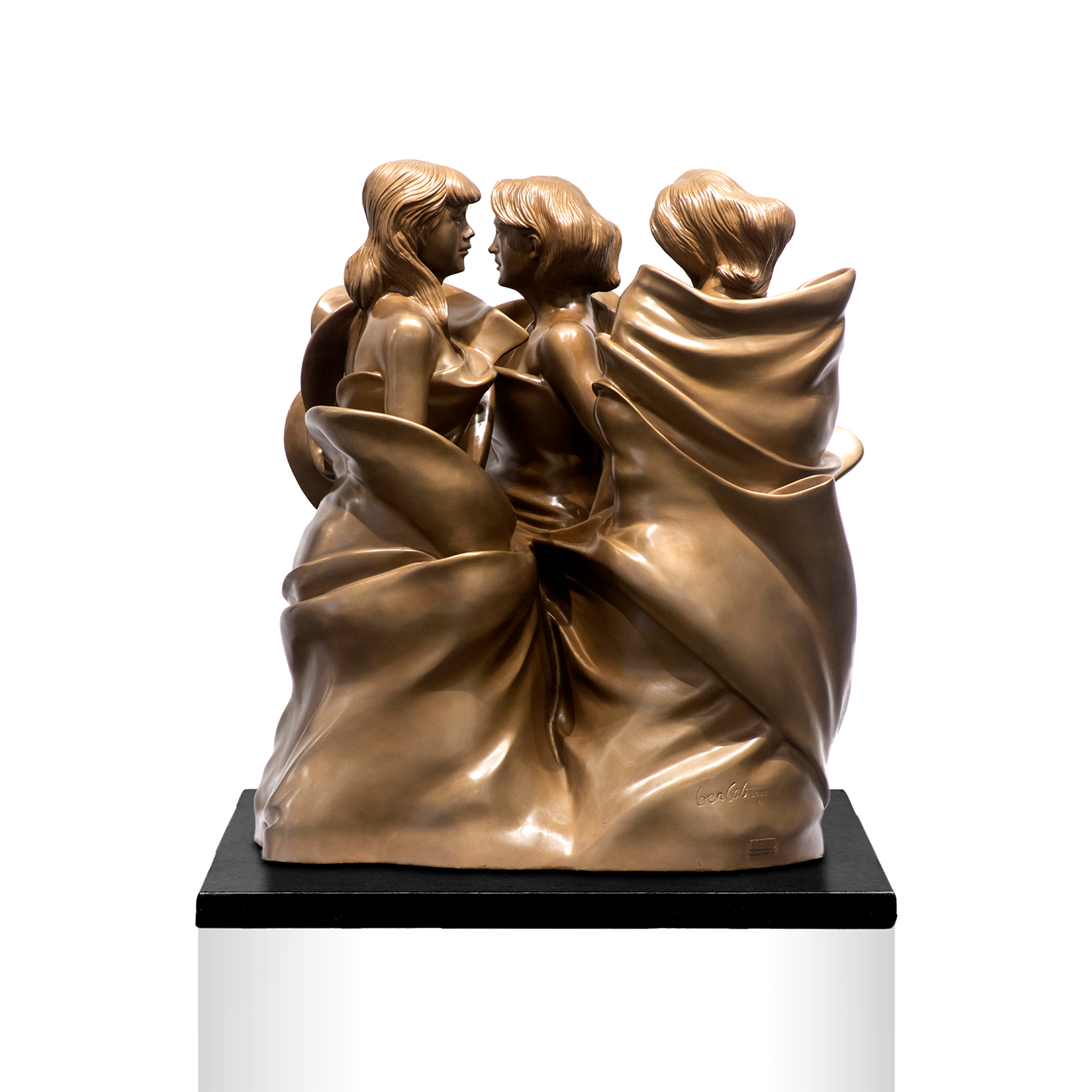
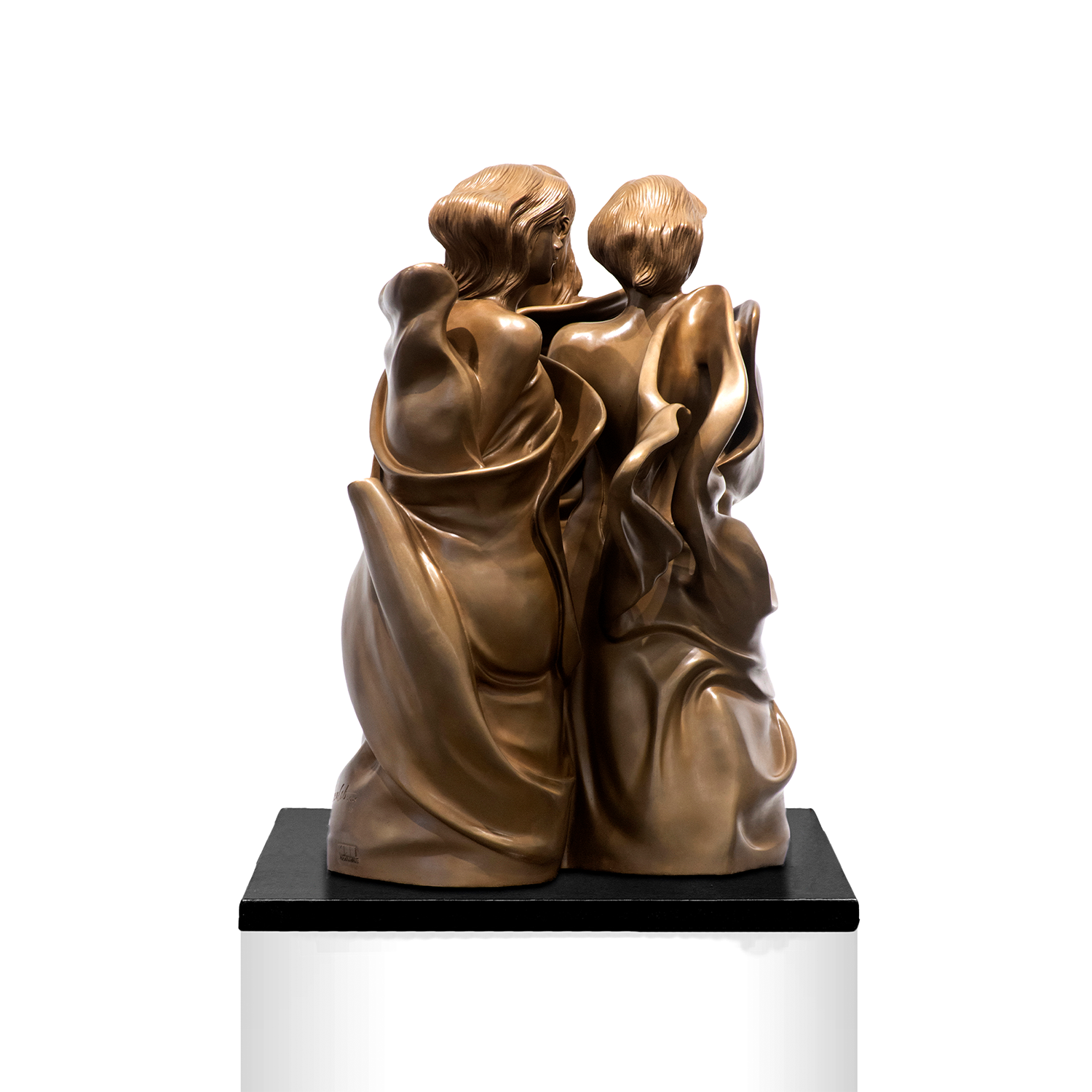
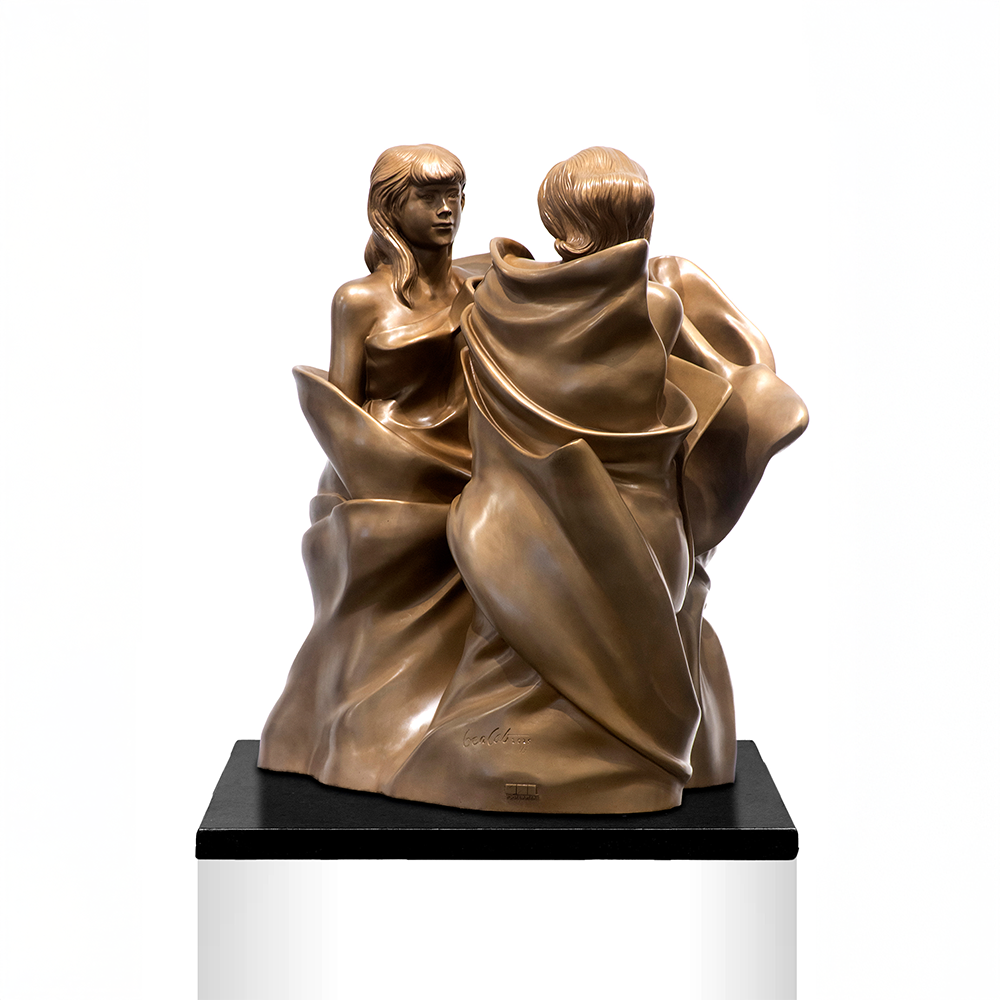
Three Muses
Edition of 8 and 1 Artist Proof
2025
Bronze
60 x 45 x 70 cm
미술사 전반에 걸쳐 삼미신(Three Graces)은 시대적·문화적 맥락의 변화 속에서 지속적으로 재해석되어 온 중요한 예술적 모티프이다. 고대 그리스·로마 시대에 아름다움과 풍요, 조화를 관장하는 세 명의 하위 신격 여신으로 등장한 이들은 르네상스에 이르러 미적 이상을 구현하는 주요한 주제로 자리 잡았으며, 산드로 보티첼리와 안토니오 카노바를 비롯한 예술가들의 작품 속에서 새롭게 해석되었다. 이후 바로크와 신고전주의 시대를 거쳐 그 영향력을 이어갔고, 현대에 이르러서는 파블로 피카소의 1925년작 *세 무희(The Three Dancers)*와 같은 작품에서도 변주되었다. 아름다움, 창조성, 기쁨의 상징으로서 삼미신은 여성성에 대한 이상을 구현하는 동시에, 예술가들에게 지속적인 탐구의 대상으로 남아 있다.
Throughout art history, the Three Graces have endured as a recurring motif, continually reinterpreted across changing aesthetic and cultural contexts. First emerging in classical antiquity as a trio of minor goddesses, they gained renewed significance as ideals of beauty and harmony during the Renaissance, inspiring interpretations by artists such as Sandro Botticelli and Antonio Canova. Their presence continued through the Baroque and Neoclassical periods, while later appearing in modern works such as Pablo Picasso’s 1925 painting The Three Dancers. As symbols of beauty, creativity, and joy, the Three Graces remain enduring embodiments of the feminine ideal and a recurring source of artistic inquiry.

벤캡의 1995년 회화 Three Graces에서 이 고전적 모티프는 작가 특유의 인간적인 시선을 통해 재해석된다. 전통적으로 신화 속 여신들에게 부여되어 온 초월적이고 이상화된 이미지를 벗어나, 벤캡은 이들을 일상의 공간에 존재하는 동시대적 인물로 제시한다. 화려하고 풍성한 천에 둘러싸인 세 여성은 신화적 존재라기보다 우리 주변에서 마주칠 법한 인물로 표현되며, 고전적 도상에 인간적인 감각을 더한다.
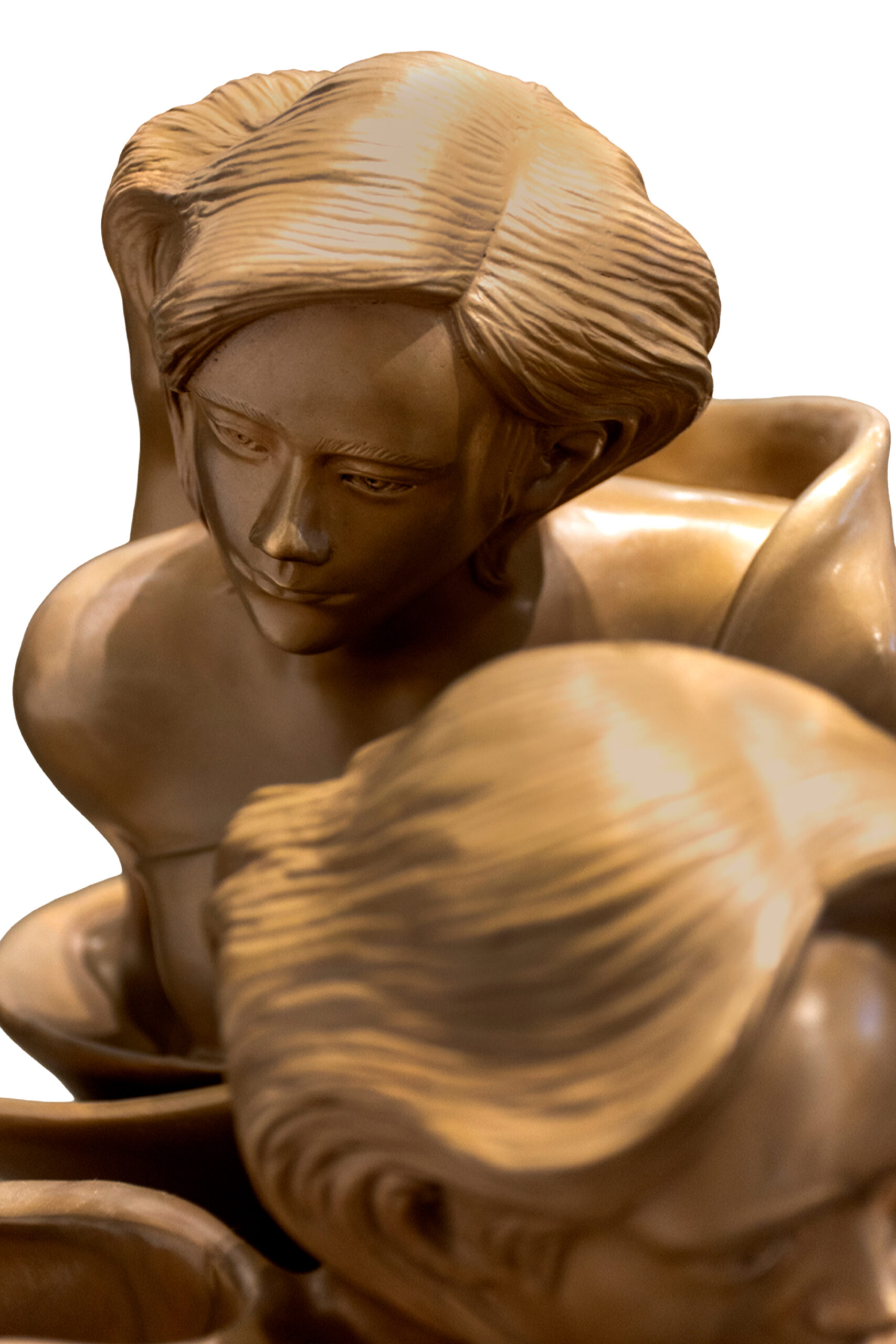
캔버스에서 청동으로 전환된 Three Muses는 벤캡이 오랫동안 탐구해 온 유려한 선과 움직임에 대한 감각을 바탕으로 새로운 조형적 리듬을 획득한다. 작가는 전통적인 삼미신 도상에서 강조되어 온 이상화된 누드의 형상을 벗어나, 세 여성의 형상을 흐르는 듯한 천의 움직임 속에 하나로 결합한다. 수의를 연상시키는 형태의 천은 벤캡의 대표 연작인 Sabel과 시각적 연관성을 이루며, 세 인물을 하나의 서정적인 춤의 장면으로 연결한다. 드러난 어깨의 완만한 곡선, 부드럽게 흔들리는 머리카락, 그리고 평온한 표정은 역동적으로 펼쳐지는 얇은 의상의 움직임과 대비를 이루며 인물들의 절제된 우아함과 고요함을 강조한다. 원형으로 구성된 이 조각은 모든 방향에서 감상할 수 있도록 열려 있으며, 관람자의 시선을 세 뮤즈가 이루는 공간 안으로 자연스럽게 이끈다. 깊게 파인 의상의 주름은 빛을 받아 반사하며, 천의 흐름을 따라 시선을 움직이게 하고, 마침내 세 인물이 만들어내는 춤의 순간에 머물게 한다.
In BenCab’s 1995 painting Three Graces, the classical motif is reinterpreted through a distinctly human lens. Moving away from the ethereal idealisation traditionally associated with the deities, BenCab presents them as contemporary figures embedded in everyday life—women adorned in vibrant, voluminous fabrics whose presence recalls encounters from the world around us.
Transposed from canvas to bronze, Three Muses take on a vibrancy and rhythm shaped by the artist’s enduring affinity for sweeping gestural lines. BenCab veers away from the canonical focus on the nude form as the sculpture gathers these three female figures together in a current of drapery, their shroud-like shapes echoing that of Sabel’s as it seamlessly binds them in a lyrical dance. The soft slope of their bare shoulders, the gentle sway of their hair, and their serene expressions offer a reprieve from the action of their diaphanous dresses, highlighting the subject’s poise and tranquility. With its circular composition, the sculpture invites viewing from every angle, drawing the viewer into the orbit of the Muses. The deeply carved folds of the robe capture and reflect light, guiding the eye along the movement of the fabric until it comes to rest upon the figures’ suspended dance.